
Patient Resources: Practical Support After a Mesothelioma Diagnosis
Alongside medical decisions, a mesothelioma diagnosis often raises practical questions — how to find the right care team, how to prepare for appointments, and how to manage the financial impact of treatment. This hub brings together general guidance on all of it, plus where legal and veterans’ options fit in.
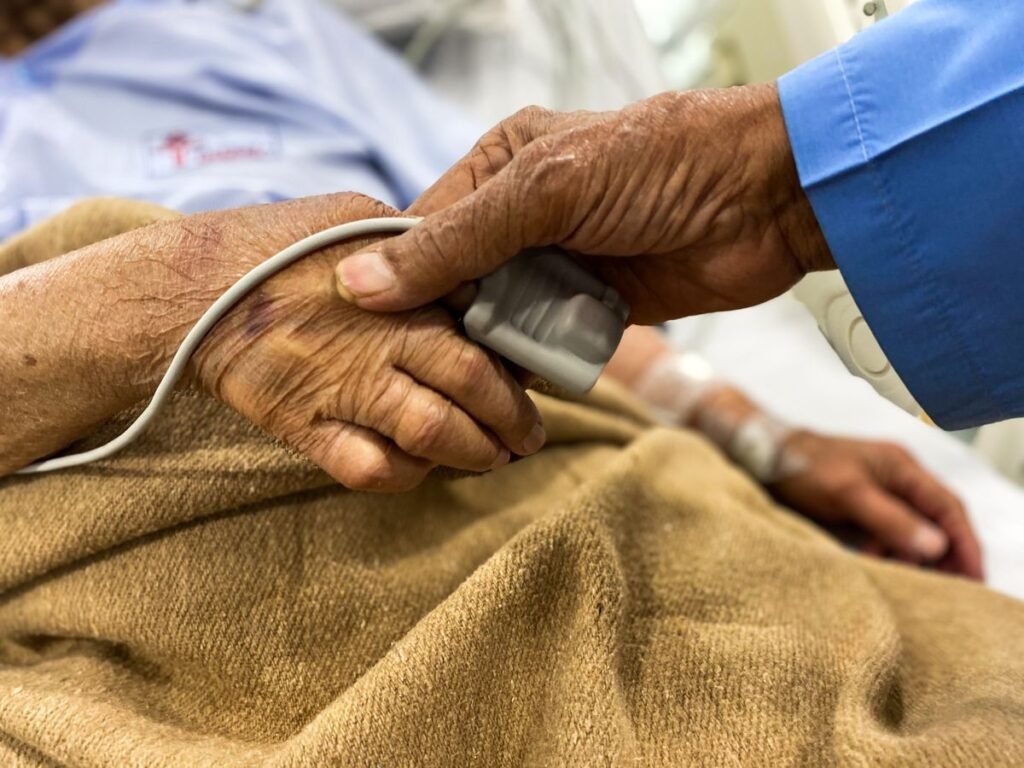
A General Patient Journey
Every situation is different, but many patients and families move through a similar general sequence after a diagnosis.
Confirm the diagnosis
Understand the type and stage with your medical team.
Find experienced care
Ask about specialists or multidisciplinary teams.
Prepare for appointments
Gather records and write down questions in advance.
Arrange practical support
Look into financial, travel, and caregiving resources.
Explore other options
Consider legal or VA pathways separately, on your own timeline.
Understanding the Medical Picture
Mesothelioma Overview
A plain-language introduction to mesothelioma and asbestos exposure.
Read the Overview →Finding an Experienced Care Team
Mesothelioma is uncommon, and treatment experience can vary significantly between doctors and centers. Our guide to finding a specialist covers why this matters, the types of specialists typically involved, and questions worth asking before choosing a care team. Finding an experienced team does not guarantee a specific outcome, but it can help ensure decisions are informed by current best practice.
- Ask about experience with mesothelioma specifically
- Ask whether a multidisciplinary team is involved
- Ask about second-opinion options
Preparing for an Appointment
A little preparation can make appointments more productive for everyone involved.
What to bring
- Prior medical records and imaging
- A current list of medications
- A written list of symptoms and when they started
- A trusted family member or friend, if helpful
Questions for your care team
- What is the type and stage of the diagnosis?
- What treatment options may be appropriate, and why?
- What side effects or changes should be reported right away?
- Who should be contacted between appointments?
Understanding Financial Support
Treatment, travel, and time away from work can add up quickly. Our financial assistance guide gives a general overview of insurance navigation, travel and lodging support, nonprofit assistance, and other categories of support people often look into. No program described is guaranteed, and eligibility depends on individual circumstances.
Veterans’ Options and Caregiver Support
Veterans
Veterans with a history of service-connected asbestos exposure may have access to VA disability benefits or health care, separate from any civil legal claim. Our VA Benefits guide explains how the VA generally evaluates these claims, in general terms.
Caregivers and Support Networks
Caregivers often manage appointments, medications, and practical logistics while processing the same news as the patient. Asking the care team about local support groups, respite care, or a hospital social worker can help spread that load, and taking care of a caregiver’s own wellbeing is part of supporting the patient too.
Separate from medical and financial support, some patients and families look into legal options such as asbestos trust fund claims. Our Compensation & Legal Help hub explains these in general terms.
A Starting Point for Further Reading
Recognized cancer organizations and government health agencies for current clinical information.
Nonprofit and hospital-based financial counseling programs.
Official VA resources for benefits and health care eligibility.
Hospital social workers and local caregiver support networks.
Frequently Asked Questions
Where should I start after a mesothelioma diagnosis?
Many people start by confirming the diagnosis and stage with their medical team, then look into specialist care, appointment preparation, and practical support in parallel rather than in a strict order.
Do I need to see a mesothelioma specialist?
Treatment experience varies between doctors and centers because mesothelioma is uncommon. Asking your current team about a referral or second opinion is a reasonable question to raise, though the right choice depends on individual circumstances.
Is financial assistance guaranteed?
No. Programs described on this site are general categories people often look into; eligibility and availability depend on individual circumstances and the specific program.
Can veterans pursue both VA benefits and a legal claim?
These are generally separate processes with different rules. Some veterans pursue one, the other, or both, depending on their circumstances. See our VA Benefits guide and Compensation & Legal Help hub for general information.
What support exists for caregivers, not just patients?
Hospital social workers, patient navigators, and local caregiver support networks can often help. Asking the care team directly is a good starting point.
Does this page give medical, legal, or financial advice?
No. This page provides general educational information only. Please consult qualified professionals about your specific situation.
You Don’t Have to Figure This Out Alone
This page is a starting point for general information only. It is not a substitute for advice from your medical team, a financial counselor, or a licensed attorney.